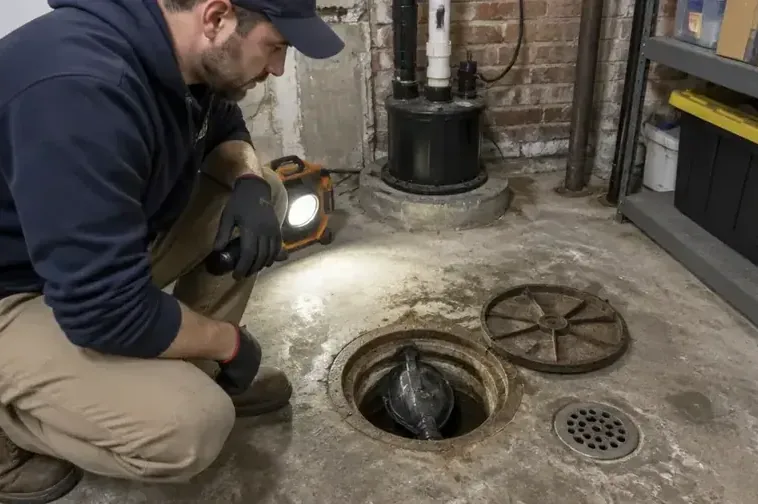
A sewer backup can start as a slow drain and end with wastewater in a shower, tub or floor drain. Local conditions, including dry spells that send roots looking for moisture, play a part.
Key takeaways
- Drought drives roots toward sewer pipes, where they can enter joints and slow the flow until a backup forms.
- Sewage is treated as Category 3 water, so porous materials that it touches are usually removed, not cleaned.
- People and pets stay out of the affected area until the response team has contained and treated it.
- Stop using sinks, tubs, showers and toilets once a backup is noticed so more water does not enter the drain.
- Surfaces that can be saved are cleaned and treated, and the area is dried after removal.
How drought leads to roots in sewer pipes
Trees and shrubs search for moisture. During dry years, the damp air and water vapor around sewer pipes become an attractive target.
Roots can slip through tiny joints and cracks in a pipe, then grow into a mat that catches paper and solids.
A pipe with a hairline crack may run for years without trouble. A dry season can change that quickly, as roots grow toward the crack and thicken until water can no longer pass.
- Slow drains in more than one fixture are a common first sign.
- Gurgling sounds from toilets or tubs can mean air is being pushed back through a partial blockage.
- Floor drains, low tubs and showers are the first places backed-up water appears.
- A sewage smell inside the home that does not clear is a warning, even before water shows.
Why the cleanup is different from a clean water leak
Sewage carries bacteria and other contaminants, so it is treated as Category 3 water. That puts it in a different category from a supply pipe leak.
A sewage backup cleanup is not done with household towels and a mop. The aim is to contain the area, remove the contaminated water and take out materials that cannot be made safe.
Even a small amount of sewage can soak into baseboards, grout lines and the edge of flooring. What looks like a minor spill on the surface often reaches farther underneath.
Materials that usually come out
Carpet, pad, insulation and soft drywall that absorbed sewage are usually removed and bagged.
Hard surfaces like sealed tile and concrete can often be cleaned and treated in place.
Materials that may be saved
Non-porous items such as glass, metal and hard plastics can be cleaned with a disinfectant after the water is removed.
Anything wood or fabric is judged case by case.
First steps when a backup is noticed
The first few minutes are about protecting people and limiting the spread.
A short checklist works better than guesswork:
- Stop running water in the home, including washing machines and dishwashers.
- Keep children, pets and anyone with health concerns out of the area.
- Avoid walking through the affected rooms, which spreads contamination on shoes.
- Do not use a household vacuum on wastewater.
- Photograph the area before anything is moved.
What to tell the plumber
A plumber works faster with a few facts. Which fixtures are backing up, when it started and whether anything changed are all useful.
Photos of floor drains, tubs and toilets help show how far the water traveled.
What a sewage cleanup looks like in a bathroom or laundry room
Backups most often show up in a lower bathroom, a laundry room or a garage floor drain. The room itself shapes the cleanup.
Small rooms with tile floors are quick to clean. Rooms with carpet, wood or a vanity take longer.
- Wear gloves and boots if a room must be entered before the team arrives.
- Keep fans off, since they can spread contaminated droplets.
- Seal off the room with plastic if the household can do so safely.
- Open windows only if the weather and the neighbors allow it.
Bathrooms
Tile and sealed grout can usually be cleaned and treated. Vanities, baseboards and the bottom of drywall are checked for soak-through.
Toilets and tubs are cleaned and treated after the water is removed.
Laundry rooms and garages
Concrete floors can be cleaned and dried. Shelving, stored boxes and cardboard are usually lost.
Washing machines and water heaters nearby are inspected before they are used again.
How the response team works
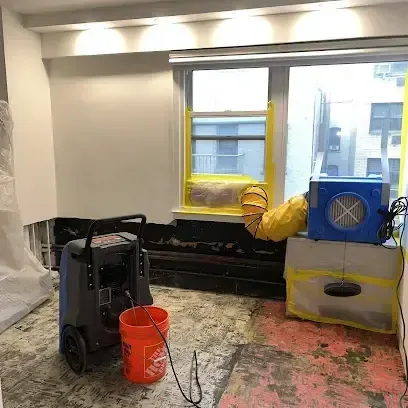
The first job is extraction. A pump or wet vacuum removes standing wastewater from the floor.
Next, the team removes damaged porous material, sprays disinfectant and dries the area. Water extraction is the opening step because every minute that sewage sits on a floor lets it soak deeper.
A report with photos, times and notes makes the later insurance claim smoother. Keep receipts for hotel stays and for items thrown away.
Containment and protection
Workers wear gloves, boots and respirators. Plastic sheeting can seal off the work area so the rest of the home stays clean.
Treating and drying
After removal, surfaces are cleaned and treated. Air movers and dehumidifiers then dry the space, and structural drying readings confirm the framing is back to normal.
Public sewer or private drain: why it matters
Some backups start in the home's own drain. Others start in a shared sewer main and show up at the lowest fixture in the house.
The cleanup inside the home is the same either way, and the plumber or the local sewer agency sorts out where the blockage sits. A list of nearby places the team covers is on the service area page.
Signs of a shared main problem
If several homes on the same street see backups at once, the cause may be in the shared main. A neighbor's report can speed up the response.
Water that backs up at the lowest fixture first is another sign.
Preventing the next backup
A camera inspection shows whether roots have entered the pipe. Cutting roots and repairing a damaged joint is far cheaper than another cleanup.
Keeping grease, wipes and paper towels out of drains helps, and trees planted close to sewer routes can be reviewed.
Landscaping choices also matter. Trees with aggressive roots do better away from sewer routes, and root barriers can protect a pipe when a planting cannot be moved.
Annual checks on older drains are a sensible habit. A short camera visit costs far less than a cleanup.
Questions
Can drought really cause a sewer backup?
It can contribute. Dry conditions send roots looking for moisture, and sewer pipes with small joints or cracks give them a path in.
Why is sewage treated differently from other water?
Sewage carries bacteria and other contaminants, so it is handled as Category 3 water. Porous materials it touches are usually removed.
Can a homeowner clean up a small backup alone?
Even a small backup spreads contamination through soaked materials. The response team has protective gear, extraction tools and treatment products suited to the job.
Should a plumber be called first or the cleanup team?
Both are needed. The plumber clears the blockage so no more wastewater enters, and the cleanup team removes what already came in.
Does the carpet always have to be thrown out?
Carpet and pad that sewage soaked are normally removed. Hard floors can often be cleaned and treated.
Is it safe to stay in the house during a backup?
It depends on how far the water spread. Many households can stay if the affected rooms are sealed off, but the response team gives the final advice.
Can roots grow back after they are cut?
Yes. Roots return unless the damaged joint is repaired or the pipe is replaced. A camera inspection shows the condition.