Water Damage Restoration Las Flores, CA
Water damage in Las Flores homes and condos is handled by local restoration pros who extract standing water, map the hidden moisture, and set up drying equipment before walls and floors are lost.
(888) 450-9281Talk to a crew about the water damageShared walls and floors in condo neighborhoods mean one leak can spread past the first wet spot and into a neighbor's unit.
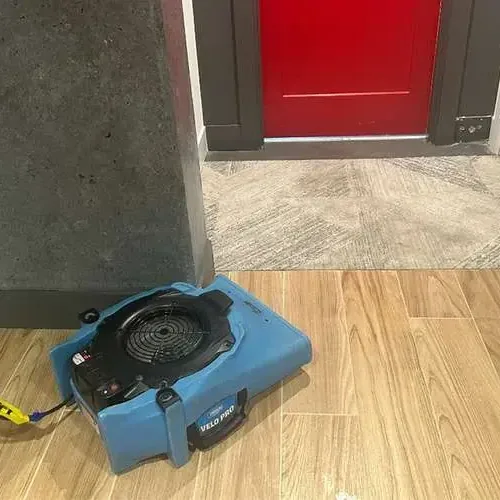
What to do in the first minutes after water appears
- Describe the damage. Describe the source, the affected rooms and whether the water looks clean or dirty so the right gear is loaded for the job.
- Stop the source. Shut the main or fixture valve if it is safe, then switch off power to wet areas and keep everyone out of them.
- Photograph everything. Take photos and short video of wet rooms, damaged belongings and the source before anything is moved, for the claim file.
- Extract and map. The crew extracts standing water, then uses moisture meters and a thermal camera to find wet walls, subfloors and ceilings.
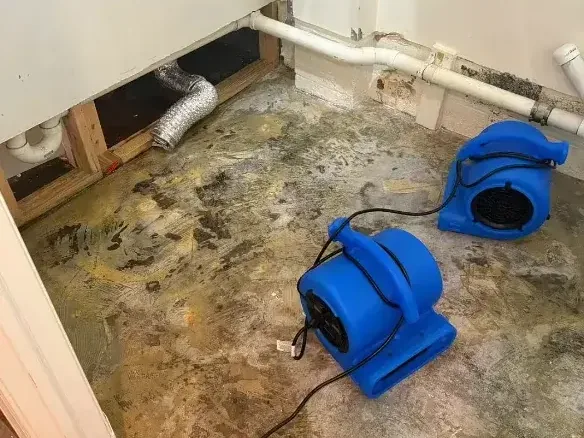
- Dry and verify. Air movers and dehumidifiers run until readings match dry reference materials, and the crew then documents the final moisture levels.
Twelve water services for local homes and condos
Crews handle clean water, sewage and storm runoff across single-family neighborhoods and condo buildings, from the first extraction through final drying checks.
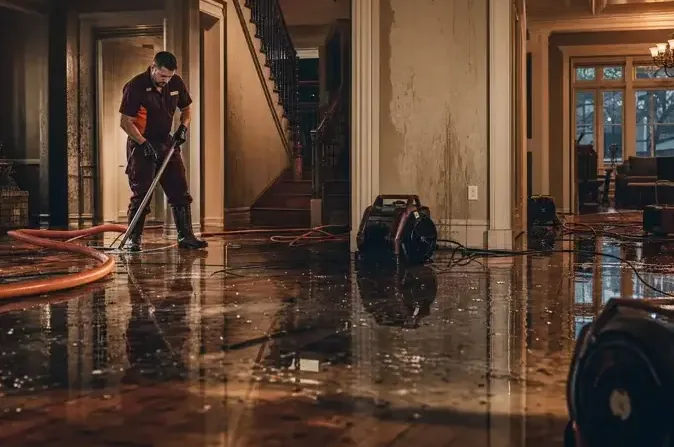 Water Extraction and RemovalPumps and extraction wands pull standing water from carpet, hard floors and cabinet bases before moisture mapping finds what moved out of sight.View service
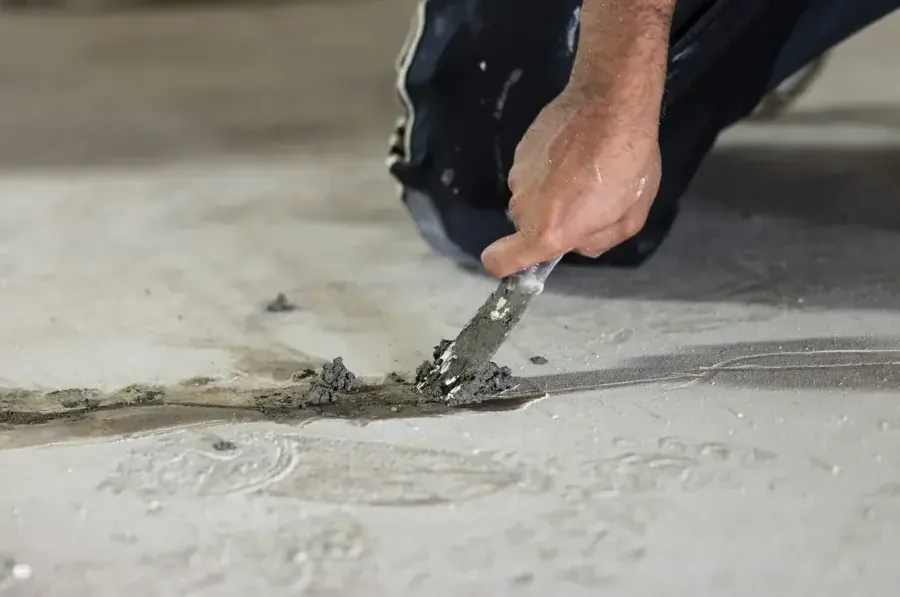 Slab Leak Water DamageA leak under the floor is traced first, then flooring, baseboards and lower walls are dried before damp materials warp.View service
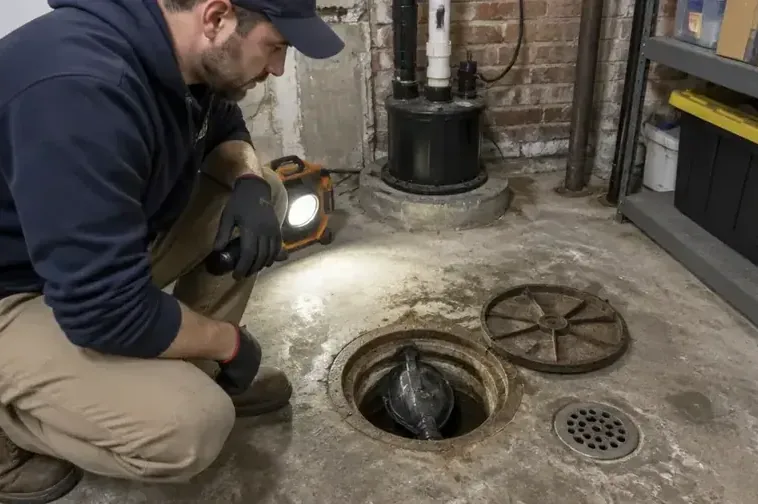 Sewage Backup CleanupBacked-up drains are treated as a health risk, with porous materials removed and surfaces treated before drying equipment runs.View service
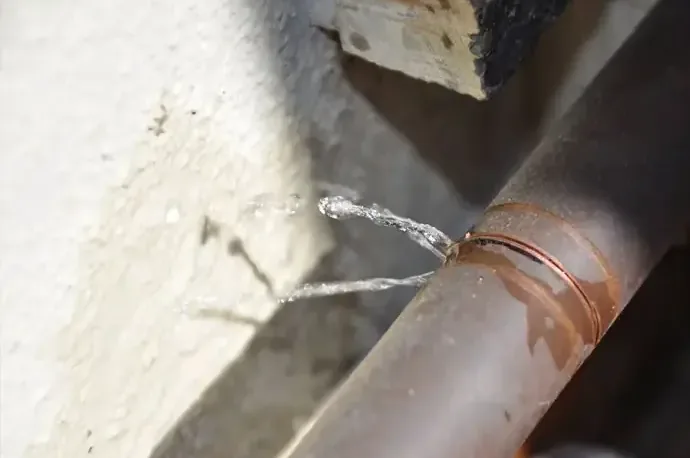 Burst and Pinhole Pipe LeaksSplit and pinhole supply pipes soak wall cavities fast, so wet drywall is opened, the cavity extracted and drying equipment set.View service
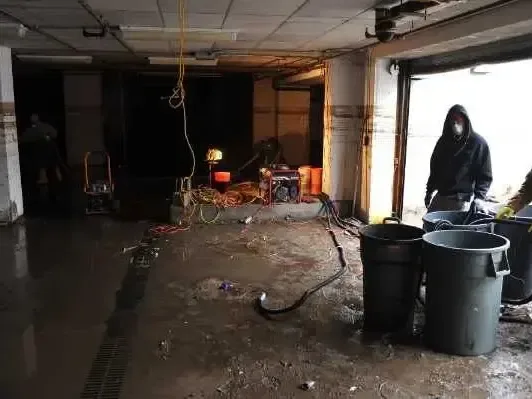
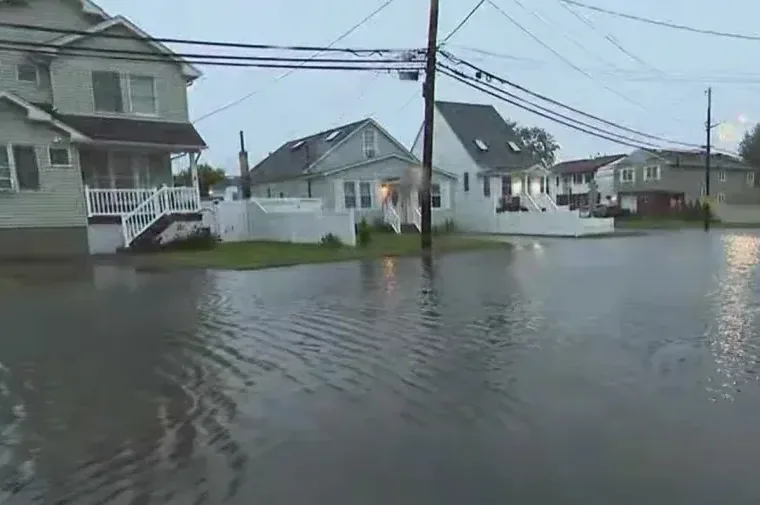 Hillside Storm Runoff and Flood CleanupWinter storm runoff entering a garage or ground floor is handled as contaminated water, cleared out and dried.View service
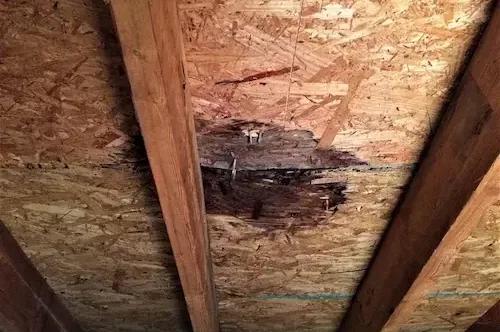 Tile Roof Leak Water DamageRain through the roof soaks insulation and ceilings, so wet material is pulled out and the framing is dried.View service
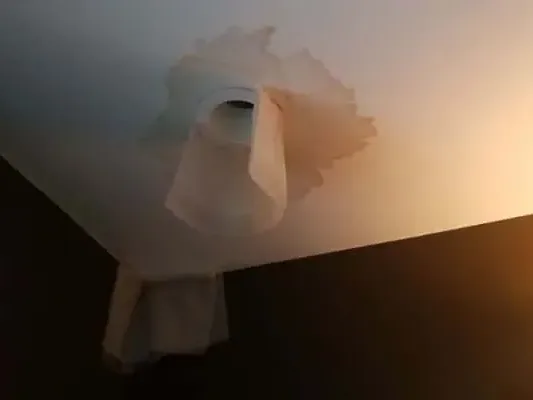
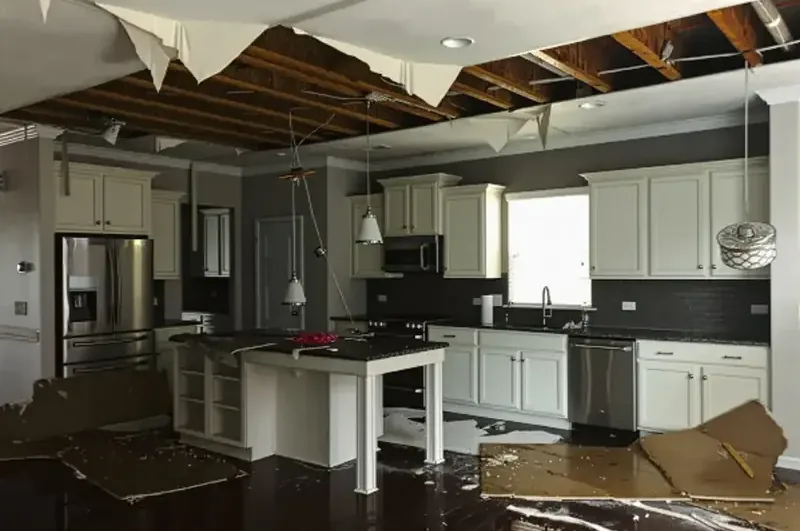 Ceiling Leak Water DamageSagging or stained ceilings are opened to check the cavity and the floor above, then dried before drywall is replaced.View service
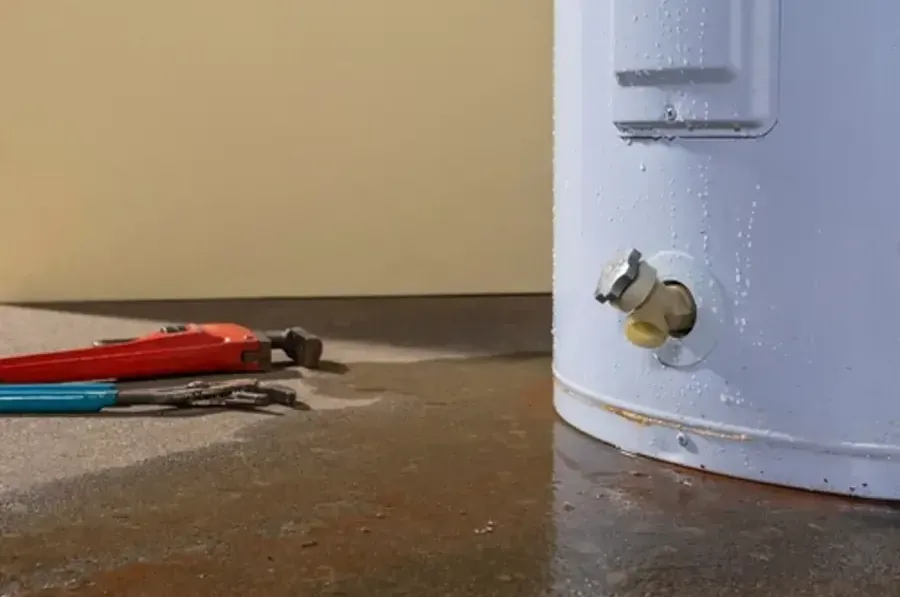 Water Heater Leak CleanupA failed tank floods the garage or closet, so the water is extracted and nearby walls and flooring are dried in place.View service
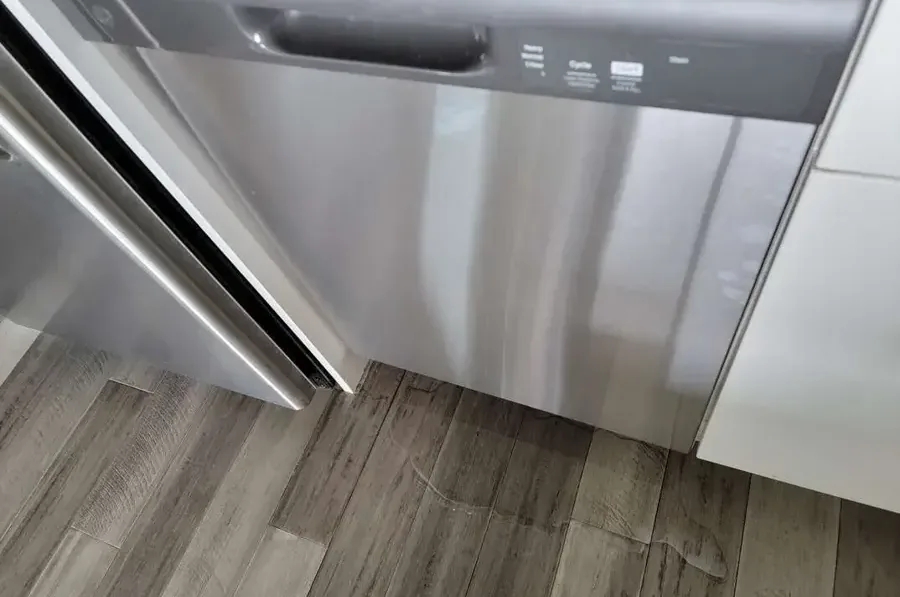 Upstairs Laundry and Appliance LeaksDishwasher, washer and ice-maker leaks run under cabinets and floors, where extraction and drying keep the damage from spreading.View service
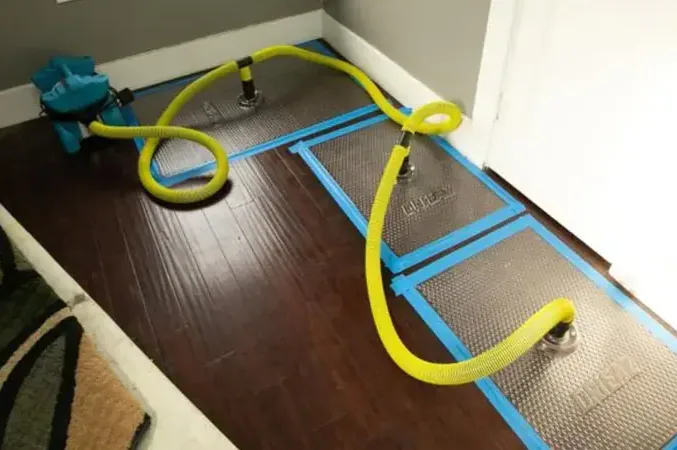 Hardwood Floor Water DamageWet boards are dried with controlled drying and mats to limit cupping before sanding or board replacement is considered.View service
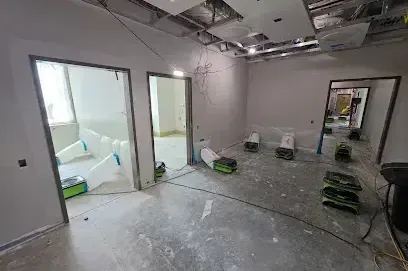 Structural Drying and DehumidificationWalls, subfloors and framing are dried with air movers and dehumidifiers until readings match dry references.View service
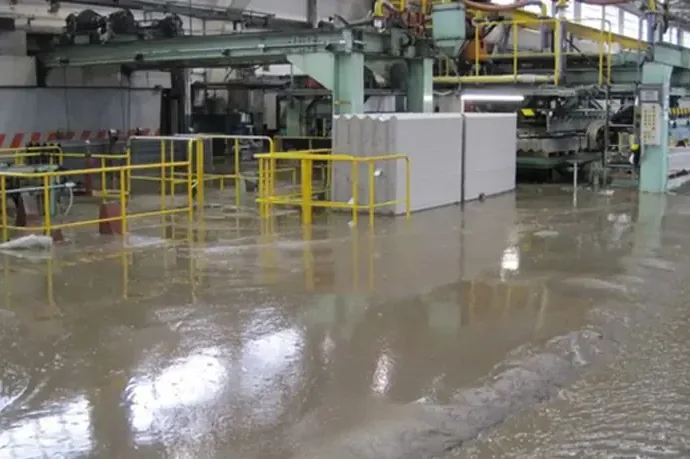 Commercial Water DamageSmall shops and offices are dried quickly with extraction and dehumidification to keep downtime short.View service
A restoration team that explains the work in plain terms
Property owners here deal with insurers, neighbors and tight schedules, so the crew keeps clear notes, photos and moisture readings that make the whole claim easier to document.
Water-only focus
The work is limited to water and sewage losses, so the crew's equipment, drying methods and daily checks stay specific to those problems and nothing else.
Measured drying
Moisture meters and thermal imaging direct where equipment goes, and drying continues until the materials read dry, not just until they feel dry.
Claim-ready records
Photos, moisture logs and equipment records are kept for each job so homeowners and adjusters can follow what was done and when.
A clear scope
Before extra work begins, the crew explains what must come out, what can be dried in place and why each choice was made.
Where local water damage usually starts
Pipe leaks in walls
Supply pipes that split or pinhole behind drywall can soak a cavity before a stain shows, so wet walls are opened, extracted and dried.
Appliance and laundry spills
A dishwasher, washer or ice-maker hose can send water under cabinets and flooring, where extraction and drying keep it from spreading.
Sewage backups
Backed-up drains release contaminated water, so porous materials are removed and affected surfaces are treated before drying begins.
Drying is measured, not guessed, on every job
Restoration follows a documented sequence: stop the loss, extract, remove what cannot be saved, dry with controlled airflow and dehumidification, and confirm the readings before equipment leaves. Each step is logged so adjusters can see what was done and why.
Stop the loss
The source is isolated, power to wet circuits is checked, and the crew protects dry rooms before extraction starts.
Extract and remove
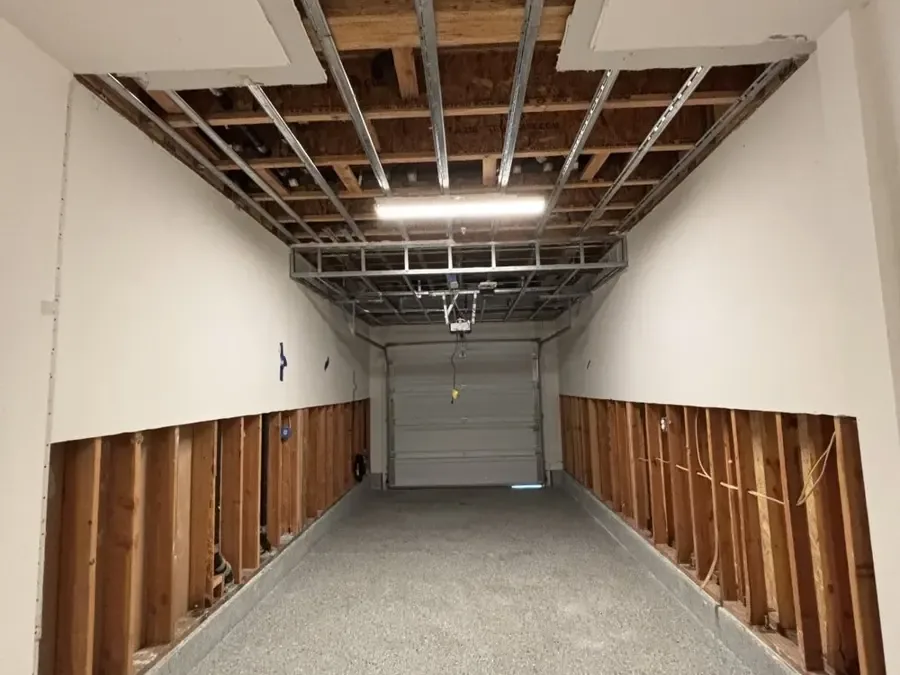
Pumps and wands pull standing water, then saturated carpet pad, soaked insulation and swollen drywall are cut out and bagged.
Dry with equipment
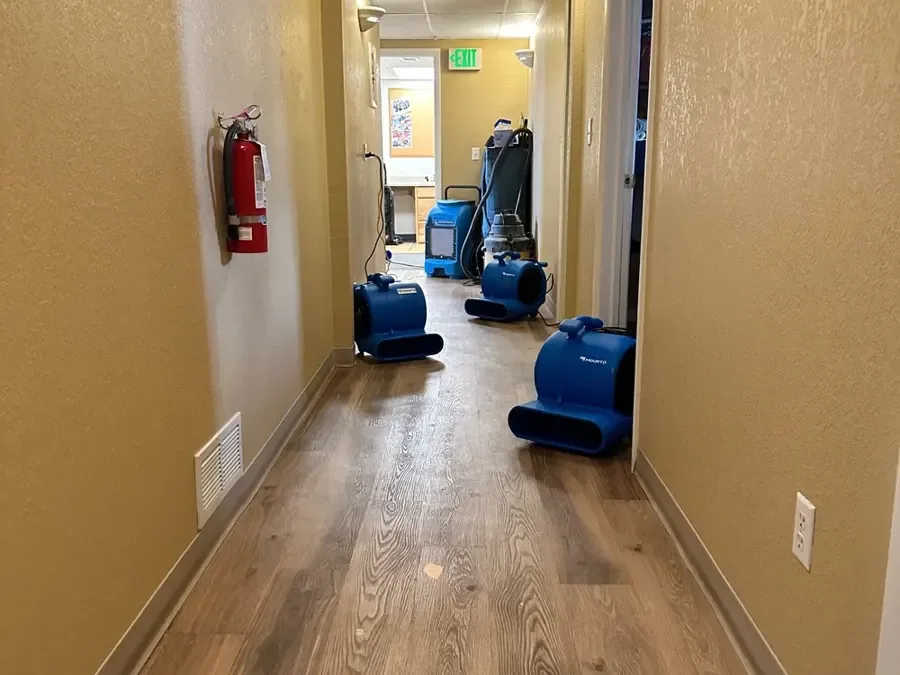
Air movers and dehumidifiers are placed from the moisture map, and the crew rechecks readings each visit and moves equipment as walls dry.
Verify and document
Final meter readings are compared with dry reference materials and recorded, giving the homeowner and adjuster a clear drying record.
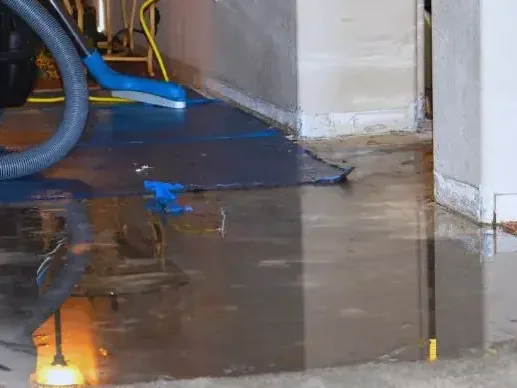
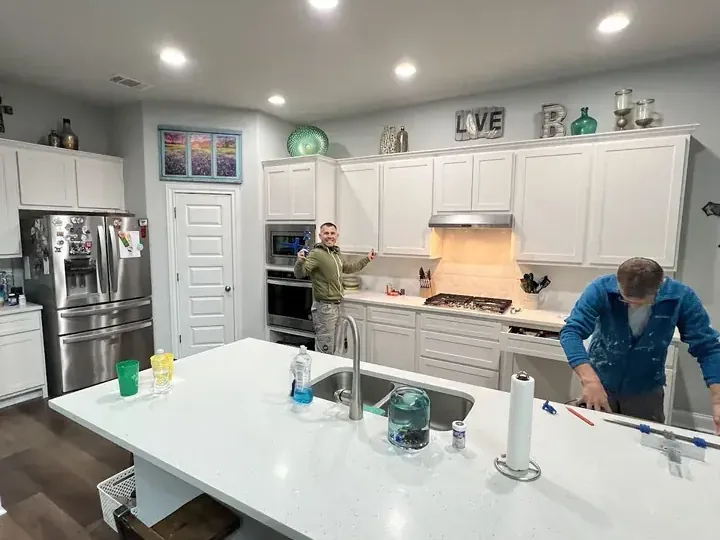
Water damage work in progress
What water damage restoration usually costs here
Most jobs fall between $1,200 and $25,000 or more, depending on how many rooms are wet, how long the water sat and whether it was clean, gray or contaminated. Small clean-water leaks sit at the low end; sewage and flooded floors reach the top.
Small clean-water leak
- One or two rooms
- Extraction and drying
- Moisture checks
Several rooms affected
- Multiple wet rooms
- Flooring or drywall removal
- Extended drying
Major or contaminated loss
- Sewage or storm water
- Ground floor flooding
- Demolition and disposal
How the range is figured
Ranges here are typical ones; each job is priced from measured moisture, the materials involved and the drying days needed, and the crew explains the scope before work expands.
Getting the claim file ready
Sudden water losses are often covered by homeowner policies, and early photos, a clear drying record and prompt mitigation help a claim move.
- Photos of the leak source and every wet room
- A short video walking through the damaged areas
- A written list of damaged belongings and flooring
- Moisture readings and equipment logs from the crew
- Receipts for emergency repairs and temporary housing
Filing the claim yourself
Notify the insurer promptly, describe the loss in plain terms and ask what mitigation steps the policy requires, since drying should begin before adjusters visit.
Keep damaged materials until the adjuster has seen or photographed them, and save every invoice, since the final drying record supports the claim.
Areas covered around Las Flores
ZIP code served
Water damage near Oso Parkway and Antonio Parkway
The community borders Rancho Santa Margarita, Coto de Caza, Ladera Ranch and Mission Viejo, and crews work across the single-family and condominium neighborhoods in between.
Addresses here share the Rancho Santa Margarita ZIP code, 92688, since the community has none of its own.
Las Flores, CA · [email protected]
(888) 450-9281Call about your home or condoNeighborhoods and landmarks
Nearby communities
Water risks for local homes
Winter storm runoff, failing fixtures and shared walls each bring a different kind of water damage, and the right response depends on where the water came from and how far it spread.
2020 census: The 2020 census counted 1,948 households here, split between condominium and single-family neighborhoods where one failed fixture can reach more than one home.
Winter storm runoff
Heavy rain can push runoff against doors and garages, and floodwater is treated as contaminated before drying begins. FEMA flood maps show whether a property sits in a Special Flood Hazard Area.
Roof leaks after rain
Roof leaks usually appear after winter rains, soaking insulation and ceilings before a stain is visible, so the wet material is pulled out and dried.
Shared walls and floors
Upstairs and neighboring units can leak into a ceiling or wall below, so the cavity above and the wall beside the damage are both checked.
Appliance and fixture failures
Dishwashers, washers, ice-maker hoses and water heaters can fail without warning, and the water often runs under cabinets and flooring before anyone notices.
Sewage and drain backups
A blocked drain can send contaminated water into bathrooms and floors, which calls for removal of porous materials and treatment of surfaces, whichever agency serves the home.
Common water damage questions
Have a different question?
Describe the situation to the restoration team and ask about the right next step for the type of water involved.
(888) 450-9281 Ask a local proHow fast does water damage need attention?
Water spreads into walls and flooring quickly, and mold can begin to grow in the first couple of days, so extraction and drying should start as early as possible. Waiting makes the drying scope and the cost larger.
Is cleanup different for condos?
Yes, condo buildings share walls, ceilings and floors, so drying can involve neighboring units and the cavity above the damage as well as the visible wet area. Coordination with the building manager is often needed to reach shared walls.
What should be done before the crew arrives?
Shut off the water at the fixture or main valve if it is safe, turn off power to wet areas, lift small valuables out of the water and take photos for the claim file before cleanup begins.
Is storm runoff handled differently from a pipe leak?
Yes. Floodwater is treated as contaminated, so porous materials are often removed and surfaces treated before drying, while a clean supply leak can usually be dried in place. The water category decides the scope.
Can wet hardwood be saved?
Often, if it is dried quickly with controlled drying. Waiting increases cupping and board damage, and floors that sat wet for days may need partial or full removal instead.
How is a hidden leak found?
A leak under a floor or inside a wall is located first with moisture meters and thermal imaging, then the wet materials are dried, which finds the extent of the damage without opening everything.
Does homeowner insurance cover water damage?
Sudden losses such as a burst pipe or appliance failure are often covered, while gradual leaks and maintenance issues often are not. The policy language and the adjuster make the final call.
Who handles a sewage backup?
Cleanup is the same either way: the backup is treated as a health risk, porous materials are removed and surfaces are treated. Where the blockage sits decides who handles the drain repair.
Does the recycled water system affect indoor leaks?
No. Santa Margarita Water District delivers recycled water to local parks, greenbelts and common areas for irrigation only, and that system is separate from the drinking water that supplies indoor plumbing.
How is the final cost decided?
Measured moisture, the materials involved, the type of water and the number of drying days set the scope. The crew explains what must come out and what can stay before work expands.
Water damage in a home or condo needs a fast, measured response
Call to describe the loss, and the response team will explain the next steps for extraction and drying.
(888) 450-9281Describe the loss by phone