Hillside Storm Runoff and Flood Cleanup in Ladera Ranch, CA
Heavy winter rain can push runoff and mud off graded slopes and under a door, a slider or the base of a stucco wall. The flood crew treats it as contaminated, removes what it soaked and dries the rest.
(888) 450-9281Mud and runoff came under the slider? Call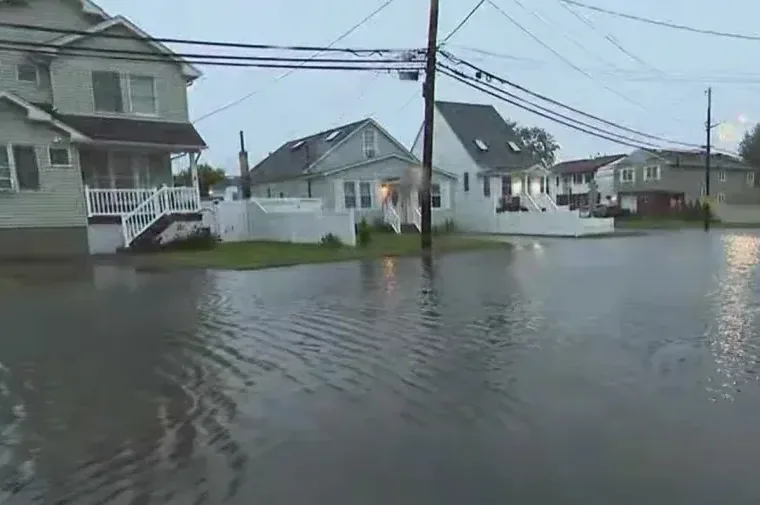
How hillside storm runoff and flood cleanup work is held to a standard
Dispatch around the clock
Active water is treated as urgent at any hour, weekends and holidays included, because every hour it sits it wicks higher into drywall and deeper into the slab.
Dried to IICRC S500
Air movers and LGR dehumidifiers are sized to the class of loss, and the equipment stays until wet materials read within 2 to 4 points of a dry reference.
A claim file built as it goes
Timestamped photos before any demolition, a moisture map, daily psychrometric logs and a line-item scope, organized the way an adjuster reads them.
Built for slab and stucco homes
Slab floors hide water under tile, stucco walls hold it in the bottom plate and upstairs baths drop it into the ceiling below. The meters go there first.
What to do right now about hillside storm runoff and flood cleanup
- Stay clear of power. Keep out of standing water near outlets and switch off breakers only from a dry spot.
- Block more water. Sandbag or towel the door or slider where water is entering.
- Photograph the mud line. Record how high water and silt reached on walls and furniture.
- Keep children and pets away. Storm water carries bacteria and debris.
What does hillside storm runoff and flood cleanup cost in Ladera Ranch, CA?
In Ladera Ranch, CA, storm runoff and flood cleanup typically runs $3,000 to $20,000, depending on how much mud came in, how far the water spread and how much carpet and drywall must be removed.
One room at a door
- Mud and silt removed
- Flood cuts on drywall
- Antimicrobial applied
Several rooms
- Carpet and pad removed
- Wall bottoms opened
- Containment drying
Ground floor flooded
- Most of the floor plan
- Extended removal
- Long drying
What the claim file holds
Ranges are typical, not a quote: the water category, square footage, material class and how fast drying started move the number most. The file holds a moisture map, daily psychrometric logs, timestamped photos taken before demolition and a line-item scope. Sudden and accidental water is treated differently from flood, so check your own policy. For a closer range, run the water damage cost calculator.
How hillside storm runoff and flood cleanup is handled, start to finish
Clear
Mud and silt removed.
Extract
Remaining water pulled from slab and walls.
Remove and treat
Soaked materials out, antimicrobial on.
Dry and verify
Readings to a dry reference.
The community sits in the Saddleback foothills above the San Juan Creek watershed, where soils are highly erosive and steep slopes can slip in heavy rainfall. On January 11, 2005, San Juan Creek ran its largest flood of record. When a winter storm stalls over the foothills, runoff and silt head for the lowest door or the uphill wall of a home.
Why storm water is treated as contaminated
Water that crossed yards, slopes and streets carries soil, fertilizer and bacteria. Under the IICRC S500 standard it is Category 3, the same as sewage, so carpet, pad and drywall it soaked are removed rather than dried in place. Ready.gov flood safety covers what to check before walking into a flooded room.
Storm runoff cleanup, step by step
- Mud and silt shoveled and squeegeed out before extraction
- Extraction of the remaining water from the slab and wall bottoms
- Flood cuts above the wet line on soaked drywall
- Cleaning and an EPA-registered antimicrobial on every surface the water touched
- Air movers and LGR dehumidifiers until readings match a dry reference
Flood insurance is a separate policy
Standard homeowner policies usually exclude flood water that enters from outside, while rain through a storm-damaged roof may be covered. Flood coverage comes from a separate policy, explained on the FEMA flood insurance page. Water through the roof instead of the door is covered on tile roof leak water damage.
Hillside storm runoff and flood cleanup across Ladera Ranch and the foothills
Coverage runs through all nine villages in ZIP 92694, from Oak Knoll, Bridgepark and Flintridge near Crown Valley Parkway to Township, Wycliffe, Echo Ridge, Avendale, Terramor and the gated Covenant Hills off Antonio Parkway.
Nearby coverage reaches Las Flores, Coto de Caza, Rancho Santa Margarita, Rancho Mission Viejo, Sendero, San Juan Capistrano, Mission Viejo, San Clemente.
See every village and nearby community covered ›Related water damage services
Hillside Storm Runoff and Flood Cleanup questions, answered
Still dealing with it?
Storm water inside? The flood crew clears mud and dries the house 24/7.
(888) 450-9281 Get the mud and runoff clearedWhy is storm runoff treated like sewage?
Runoff crosses soil, yards and streets and picks up bacteria, fertilizer and debris. The IICRC S500 standard puts it in Category 3, so soaked porous materials are removed.
How does storm runoff get into a slab home?
Most often under a door or slider on the low side of the lot, through the base of a stucco wall, or off a slope that slipped or overflowed its drain.
Does homeowners insurance cover storm flooding?
Flood water entering from outside is usually excluded and needs a separate flood policy. Rain through a storm-damaged roof is treated differently. Check your own policy.
Can a home flood without a creek nearby?
Yes. Runoff off a graded slope or a clogged yard drain can flood a room during a heavy storm without any creek leaving its banks.
How long does storm flood cleanup take?
Removal and cleaning usually take one to two days, and drying runs four to seven more, longer when silt soaked deep into wall bottoms.
What gets thrown away after a storm flood?
Carpet, pad, soaked upholstery and drywall below the wet line usually go. Photograph everything first and keep items until the adjuster approves disposal.
Runoff came through the door? Start the storm cleanup now.
Storm water carries silt and bacteria into wall bottoms. The flood crew removes what it soaked and dries the rest.
(888) 450-9281Clear the silt and dry the walls