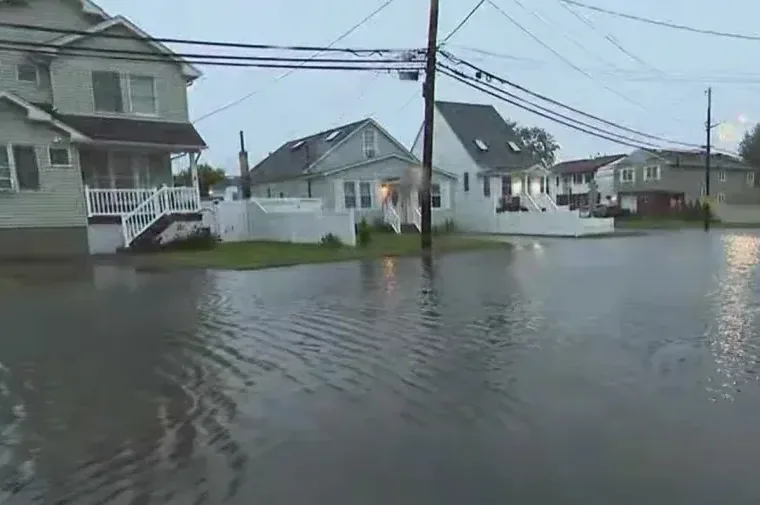
In January 2016, during El Nino storms, a flash-flood watch covered the canyon areas and coastal western-facing slopes. The city asked residents to clear drainage, register for AlertOC and use sandbags.
Key takeaways
- The January 2016 watch is a useful model for storm prep: clear drains, sign up for alerts and stage sandbags.
- Trabuco Creek and Tijeras Creek are the local water features that shaped the area's early history.
- Storm runoff that enters a home is treated as contaminated, not as clean water.
- Extraction comes first, then drying, because soaked drywall and flooring stay wet for days.
- Photos and a written log of what was wet help with insurance.
What the January 2016 storm watch asked of residents
During the El Nino season, the city urged people to clear drainage, register for AlertOC and use sandbags.
Each step answers a different risk: blocked drains back water toward houses, alerts give notice, and sandbags redirect shallow flow.
Sandbags work best in the right places. Doorways, garage thresholds and low points where water naturally flows are good starting spots.
- Clear leaves and debris from gutters, downspouts and yard drains.
- Register for AlertOC so warnings reach a phone.
- Place sandbags at garage doors and low entries before rain begins.
- Move vehicles and stored items away from low spots.
Creeks and drainage in the area
Trabuco Creek and Tijeras Creek frame the history of Rancho Santa Margarita. The Acjachemen village of Alume once sat between them.
A 1769 Spanish expedition camped near the site of the Tijeras Creek Golf Club and found many streams and swamps in the area.
A master-planned community
The first homes in the master-planned community were sold in 1986, and more than half of the city is planned as open space and recreation facilities.
Open land absorbs some rainfall, but paved areas and slopes send the rest toward streets and drains.
Open space and runoff
More than half of the city is planned as open space and recreation facilities. Slopes beside that open land can carry water toward streets.
- Keep gutters and downspouts clear of leaves.
- Point downspouts away from foundations.
- Check that yard drains are open before the rainy season.
Why storm water is not clean water
Runoff crosses streets, yards and landscaping before it reaches a door. It can carry soil, fertilizer, oil and sewage from overflowing drains.
That is why the restoration team treats storm water that enters a home with more caution than a pipe leak. Porous materials like carpet and pad are normally removed.
A garage is often the first space to take on water, and the items stored there absorb it quickly. Boxes, paper goods and fabric are usually the first losses.
Because runoff can carry sewage from overloaded drains, the response team wears protective gear and treats the area as contaminated. That is not a reason to panic, but it is a reason to avoid touching wet materials without gloves.
- Carpet, pad and insulation that soaked in runoff are usually discarded.
- Wet drywall can wick contaminated water well above the flood line.
- Hard floors and wall bases can be cleaned and treated.
- Items stored on garage floors are checked before they come inside.
The first steps after water enters a home
Safety is first. Water near outlets, power strips and appliances calls for the electricity to be shut off in that area.
Then the household can start recording what happened while waiting for the response team.
Do not walk through standing water if electrical equipment is nearby. Wait until the power has been shut off.
- Photograph the water line on walls and furniture.
- Lift small items and electronics out of standing water.
- Open interior doors so the team can reach each room.
- Keep a list of ruined items for the claim.
Cleaning up the garage and ground floor
Garages and ground-floor rooms take the brunt of storm water. They also hold items that are hard to replace.
A practical order of work helps keep the cleanup moving:
- Remove standing water with pumps or wet vacuums.
- Take wet boxes, paper and fabric outside for sorting.
- Wipe hard items with a cleaning solution and let them dry.
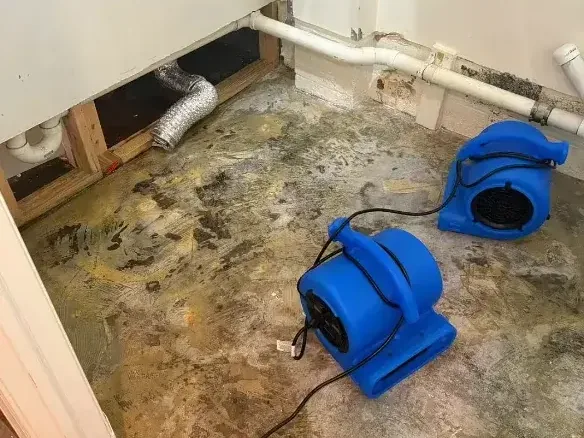
- Open cabinets and lift baseboards so air can reach wet cavities.
- Run air movers and dehumidifiers until readings are normal.
What can be saved
Plastic bins, tools, sealed containers and many hard items can be cleaned and kept. Photos and documents can sometimes be freeze dried by specialists.
What usually has to go
Carpet, pad, cardboard and particleboard that stayed wet in runoff are normally discarded. Keeping them can leave odors behind.
How storm cleanup is done
Pumps and wet vacuums pull standing water off floors. Learn more about storm flood cleanup and how the work is staged.
After extraction, the crew opens wall bases to let wet cavities dry and runs air movers and dehumidifiers. Moisture readings decide when equipment can leave.
Equipment stays in place until readings match dry areas of the same home. The team removes it only once the structure is confirmed dry.
Extraction first
Taking out standing water quickly keeps it from soaking deeper into flooring and framing. Water extraction is the opening step of almost every flood job.
Drying and checking
Drying can take several days. Readings are taken each visit until materials return to normal.
Working with the insurer
Flood damage is often handled under a separate policy from ordinary home coverage. Reading the policy early avoids surprises.
Photos taken before cleanup begins show the extent of the loss and the water line.
Getting ready before the next watch
Storm prep costs little compared with a flooded garage. Clean drains, staged sandbags and an alert signup are quick wins.
The Rancho Santa Margarita page lists the services available locally. For slope and runoff problems in the neighboring community, the Ladera Ranch storm runoff service covers the same work.
A short checklist kept near the garage door makes the next watch easier. Include where the sandbags are stored, which drains need clearing and who to call after a loss.
Questions
What did the city ask residents to do in January 2016?
During El Nino storms, the city told residents to clear drainage, register for AlertOC and use sandbags.
Is storm water that enters a house clean?
No. Runoff picks up soil, chemicals and other contaminants, so the cleanup treats it with more caution than a supply pipe leak.
Do sandbags stop flooding completely?
They redirect shallow water and slow it at doorways. They are not a seal against heavy flow.
How long does drying take after a flood?
Drying can take several days, depending on how far water traveled. Readings decide when it is finished.
What should be photographed after a flood?
The water line, damaged flooring, furniture and any stored items that were soaked, taken before anything is moved.
Should wet drywall be cut out after a storm?
If the water was runoff, wet drywall is usually cut out above the wet line so the wall can dry and be cleaned.
What is AlertOC?
AlertOC is the notification system the city told residents to register for during the January 2016 storm watch.