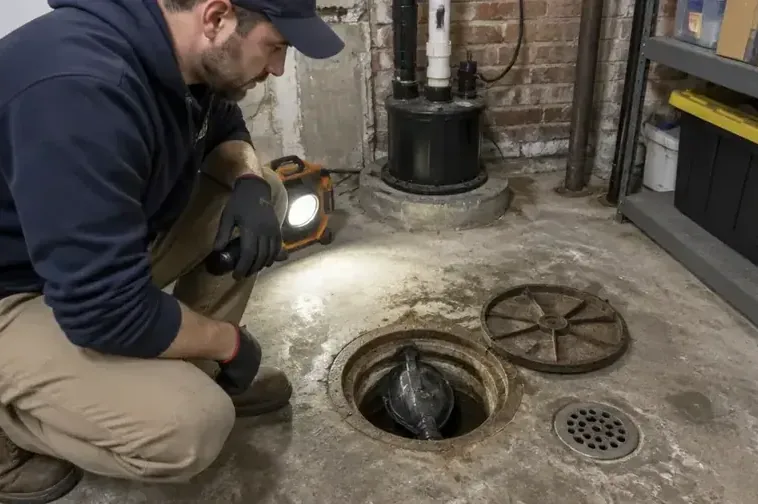
A sewer overflow has two sides: the public pipe system outside and the private cleanup inside. In San Clemente, the City Utilities Division takes reports, and the restoration team deals with what reached the house.
Key takeaways
- The City of San Clemente runs a 24-hour utilities reporting service for water leak and sewer overflow reports.
- Reporting an overflow helps the city respond, but it does not clean the inside of a house.
- Sewage is Category 3 water, and porous materials it touches usually come out.
- In 2010 about 36.0 percent of occupied homes in San Clemente were rented, so tenants and owners both need to know the steps.
- Cleanup ends with treated surfaces and a dried structure.
Reporting a sewer overflow
The City of San Clemente Utilities Division is the place to report a water leak or sewer overflow. The service runs around the clock.
A report gives the city a record of the problem and lets crews check the public system.
Many households do not realize that a report is worth making even when the overflow looks small. A slow problem in the public system can affect more than one home.
Keep the report number and the name of the person who took it. If the overflow affects more than one home on a street, each household should report it.
- Note the time the overflow was first seen.
- Describe where water is coming out: a manhole, a cleanout or a floor drain.
- Photograph the area before anything is moved.
- Ask for a report number to give an insurer.
Public pipe or private drain
Some overflows start in the city's sewer system. Others start in a private drain and only show up at a tub or floor drain.
Who owns the pipe where the blockage sits is something the utility or a plumber confirms. It is not a question the restoration team decides.
What the utility handles
The city looks at its own pipes and pump equipment, and it can tell whether the main is flowing.
What the homeowner handles
Anything inside the property line, including cleanup and repair of finishes, is dealt with by the owner, the tenant and their insurers.
Questions worth asking the plumber
A plumber can say whether the blockage sits in the home's own drain or farther out. Asking for a short written note helps with the claim and with any talk with the utility.
A camera view of the pipe also helps show the cause.
Why sewage is Category 3
Sewage carries bacteria, viruses and other contaminants. It is labeled Category 3 water, the highest level of concern.
A sewage backup cleanup therefore removes porous materials instead of trying to wash them.
The label does not mean a home is ruined. It means the cleanup follows stricter steps than a clean water loss.
Because the contamination is biological, the team uses disinfectants made for the job. Household bleach is not a substitute, and mixing cleaners can create harmful fumes.
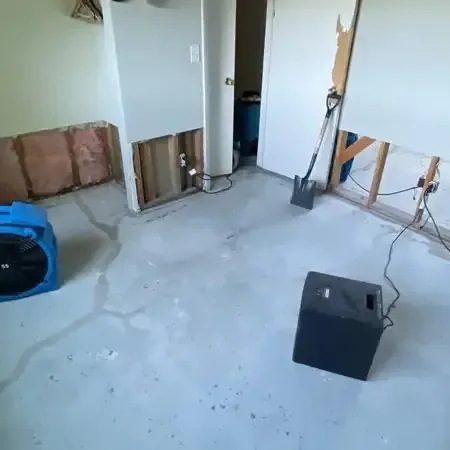
- Carpet and pad are removed and bagged.
- Wet insulation and soft drywall are cut out.
- Hard surfaces are cleaned with disinfectant and dried.
- Furniture that sat in the water is judged item by item.
What to do while waiting for the team
The goal is to keep contamination from spreading.
A few steps protect the household:
A written note of the time, the rooms and the first signs helps the team plan the cleanup.
If water has reached electrical outlets, leave the breaker off until the area is dry and checked. A wet outlet is a risk even when the water looks clean.
- Stop using sinks, tubs, showers and toilets.
- Keep children, pets and guests out of the area.
- Do not walk through wet rooms in shoes that will be worn elsewhere.
- Turn off electricity if water reaches outlets and it is safe to do so.
Protecting health during and after the cleanup
Sewage exposure is a health concern, especially for children, older adults and anyone with a weakened immune system. Good habits cut the risk.
The restoration team wears protective gear, but the household has a role as well:
- Wash hands with soap and water after any contact with wet areas.
- Keep food, dishes and cooking tools away from the affected room.
- Wash clothing that touched the water in a hot cycle, separate from other laundry.
- Clean shoes before bringing them into clean rooms.
- Wait for the team to say the area is safe before returning.
After the area is treated
Once surfaces are treated and dry, the room can go back into use. Moisture readings confirm that no damp spots remain.
Odors that linger usually point to a material that should have been removed.
How the cleanup proceeds
The crew begins with water extraction, pulling wastewater from floors with pumps and vacuums.
After removal, surfaces are cleaned and treated. Air movers and dehumidifiers dry the space, and readings confirm that walls and floors are back to normal.
The final step is a walk-through with the household. Readings, photos and notes are reviewed so everyone knows the room is ready for repairs.
Renters and landlords
In 2010 about 36.0 percent of occupied homes in San Clemente were rented. A tenant should tell the landlord quickly and share photos.
Permits for repairs
The city says permits are generally required for plumbing, electrical, mechanical and structural projects. If plumbing is repaired after the cleanup, the plumber handles the permit.
Odor control
Sewage odors can linger in porous materials. Removing the materials is the most reliable fix, and air scrubbers can help in the meantime.
- Do not mask smells with spray before the source is removed.
- Replace filters in heating and cooling units after a major event.
- Ask the team to check hidden spaces such as closets and cabinets.
Preventing the next blockage
Keeping grease and wipes out of drains reduces blockages in the home's own pipes.
A camera inspection can show whether the private drain needs repair. The city hub page lists the cleanup services available locally.
Questions
Who takes a sewer overflow report in San Clemente?
The City of San Clemente Utilities Division takes water leak and sewer overflow reports around the clock.
Does a report mean the city cleans the house?
No. The city looks after its own system. Cleanup inside the home is handled by the restoration team.
Why is sewage Category 3?
It carries bacteria and other contaminants, so it is the highest level of concern.
Is a plumber still needed?
Yes, if the blockage is in the private drain. The plumber clears it and repairs any damaged pipe.
Can a tenant start the cleanup?
A tenant should notify the landlord and document the damage. The cleanup team can begin once the owner agrees.
How long before the area is safe again?
Once the contaminated material is out, the surfaces are treated and the structure is dry. The team tells the household when the room can be used.
Does insurance cover a sewer backup?
Coverage for backups varies by policy and sometimes requires an added endorsement. The insurer can confirm what applies.