Water Extraction in Coto de Caza, CA
Pumps and extraction wands remove standing water from floors and carpet before it reaches subfloors, cabinets and walls. Drying equipment follows, guided by moisture readings in each wet room.
(888) 450-9281Water on the floor now? Call the pump crew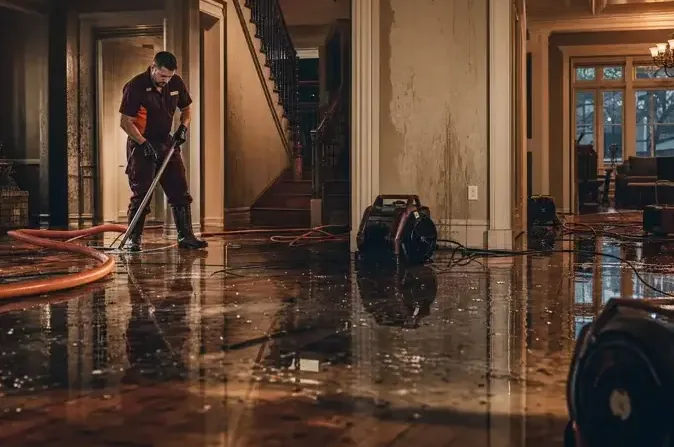
How water extraction and removal work is held to a standard
Dispatch around the clock
Active water is treated as urgent at any hour, weekends and holidays included, because every hour it sits it wicks higher into drywall and deeper into the slab.
Dried to IICRC S500
Air movers and LGR dehumidifiers are sized to the class of loss, and the equipment stays until wet materials read within 2 to 4 points of a dry reference.
A claim file built as it goes
Timestamped photos before any demolition, a moisture map, daily psychrometric logs and a line-item scope, organized the way an adjuster reads them.
Built for slab and stucco homes
Slab floors hide water under tile, stucco walls hold it in the bottom plate and upstairs baths drop it into the ceiling below. The meters go there first.
What to do right now about water extraction and removal
- Stop the source. Close the shutoff valve or the main if reaching it is safe, so no more water enters the room.
- Switch off power. Turn off breakers for wet rooms and keep clear of standing water near outlets.
- Move what you can. Lift small furniture, electronics and loose rugs to dry ground to limit staining.
- Leave flooring down. Keep carpet and pad in place so readings show how far water traveled.
What does water extraction and removal cost in Coto de Caza, CA?
In Coto de Caza, CA, water extraction usually costs $1,200 to $8,000 or more, depending on the water type, the number of rooms and how long the water sat before pumping began.
One room, clean water
- One room affected
- Carpet and pad extracted
- Dried in place
Several rooms
- Multiple rooms wet
- Pad removed where soaked
- Dehumidifiers run for days
Gray or storm water
- Contaminated water
- Porous materials removed
- Surfaces cleaned and treated
What the claim file holds
Ranges are typical, not a quote: the water category, square footage, material class and how fast drying started move the number most. The file holds a moisture map, daily psychrometric logs, timestamped photos taken before demolition and a line-item scope. Sudden and accidental water is treated differently from flood, so check your own policy. For a closer range, run the water damage cost calculator.
How water extraction and removal is handled, start to finish
Find the water
Meters mark where moisture traveled.
Pull it out
Wands and pumps clear standing water.
Open wet spots
Soaked pad and trim come out.
Dry and verify
Equipment runs until readings match dry.
When water covers a floor in Coto de Caza, extraction comes first. Most homes in this community are owner-occupied and were built after it opened in 1986, so the finished flooring, cabinets and trim inside are usually the materials at risk. The sooner the water is out, the less of it soaks into the subfloor.
How the water is pulled out
The crew matches the tool to the surface.
- Wands lift water from carpet and pad while the crew works across the room in slow passes.
- Submersible pumps clear deeper water from garages, utility rooms and entry areas.
- Squeegee heads pull water from tile, vinyl and sealed hardwood.
- Meters check subfloors and wall bottoms to see what the surface hides.
Once the visible water is gone the job is only started, because damp materials keep releasing moisture.
Water type sets the plan
Clean supply water allows carpet and floors to be dried in place more often. Gray water from a washer or dishwasher means the pad is usually discarded. Black water from a sewage backup or storm runoff means porous materials come out and surfaces are cleaned and treated. The crew names the category on the record so the adjuster sees why each choice was made.
What happens after the water is out
Air movers and dehumidifiers go into the wet rooms, and the crew returns to read moisture in floors and walls until the numbers match dry materials. See the structural drying process, or open the Coto de Caza service hub to compare every service.
Water extraction and removal across Coto de Caza and nearby communities
The extraction crew works across the Village, Los Ranchos Estates and the CZ Master Association, pulling water from main floors, kitchens and finished garages in the larger homes of this guard-gated community.
The same service nearby: water extraction and removal in Ladera Ranch, Las Flores, Rancho Santa Margarita.
Water damage restoration in Coto de Caza › Every community covered ›Related water damage services in Coto de Caza
Water Extraction and Removal questions, answered
Still dealing with it?
Water pooling on the floor? The extraction crew starts pulling it out at any hour.
(888) 450-9281 Roll the pumps inHow fast does standing water start damaging a home?
Water begins soaking into subfloors, baseboards and cabinet bases right away, and mold can start within a day or two. Fast extraction limits how much material has to be removed.
Can carpet be saved after extraction?
Often, when the water was clean and extraction began early. Carpet is cleaned and dried in place, while the pad is usually replaced because it holds water and cannot be dried well.
Is a store-bought wet vacuum enough?
A shop vacuum removes surface water but cannot reach water held in pad, subfloors and wall cavities. Professional pumps and meters find and remove what the surface hides.
Does water extraction include drying?
Extraction removes the standing water. Drying with air movers and dehumidifiers is the next stage, and readings confirm when walls and floors are back to normal.
What if the water came from the sewer or a storm?
That is treated as contaminated water. Porous materials are removed, hard surfaces are cleaned and treated, and the crew keeps the affected area separated from clean rooms.
What should be kept for the insurance claim?
Dated photos, a list of damaged items and the moisture readings. Damaged materials are photographed before disposal, and the crew keeps the readings together as one record for the adjuster.
Standing water still in the house? Start the extraction now.
The longer water sits, the more flooring, trim and drywall soak through. The crew removes the water first, then dries what remains.
(888) 450-9281Call for pumps now