Structural Drying in Coto de Caza, CA
After the water is out, the structure still holds moisture in walls, subfloors and cabinet bases. The drying team sets air movers and dehumidifiers, reads the materials every day and moves equipment until the numbers match dry.
(888) 450-9281Damp walls and floors? Reach the drying team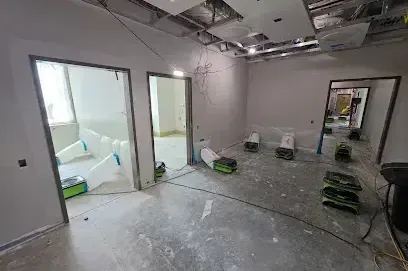
How structural drying and dehumidification work is held to a standard
Dispatch around the clock
Active water is treated as urgent at any hour, weekends and holidays included, because every hour it sits it wicks higher into drywall and deeper into the slab.
Dried to IICRC S500
Air movers and LGR dehumidifiers are sized to the class of loss, and the equipment stays until wet materials read within 2 to 4 points of a dry reference.
A claim file built as it goes
Timestamped photos before any demolition, a moisture map, daily psychrometric logs and a line-item scope, organized the way an adjuster reads them.
Built for slab and stucco homes
Slab floors hide water under tile, stucco walls hold it in the bottom plate and upstairs baths drop it into the ceiling below. The meters go there first.
What to do right now about structural drying and dehumidification
- Keep doors closed. Close off the wet room so humid air does not spread through the house.
- Leave equipment running. Do not switch machines off, because drying relies on steady airflow.
- Keep the house moderate. A comfortable indoor temperature helps moisture evaporate from materials.
- Avoid blocking airflow. Leave space around air movers and dehumidifiers so air can circulate.
What does structural drying and dehumidification cost in Coto de Caza, CA?
In Coto de Caza, CA, structural drying usually costs $1,500 to $10,000 or more, based on how many rooms are wet, how dense the materials are and how many days the equipment has to run.
One or two rooms
- Limited area wet
- Few pieces of equipment
- Short drying run
Several rooms
- Multiple rooms damp
- More dehumidifiers
- Daily monitoring
Dense materials
- Hardwood and subfloors
- Thick framing
- Extended drying time
What the claim file holds
Ranges are typical, not a quote: the water category, square footage, material class and how fast drying started move the number most. The file holds a moisture map, daily psychrometric logs, timestamped photos taken before demolition and a line-item scope. Sudden and accidental water is treated differently from flood, so check your own policy. For a closer range, run the water damage cost calculator.
How structural drying and dehumidification is handled, start to finish
Measure
Meters set the starting point.
Place gear
Machines go in by room.
Monitor
Readings are logged each day.
Remove gear
Equipment leaves at dry readings.
Extraction removes what can be seen, but wood framing, drywall and subfloors hold water inside. Structural drying removes that hidden moisture before it can warp materials or support mold. It is a measured process, not a matter of running fans until the room feels dry.
How the equipment works together
Each machine has a job.
- Air movers push dry air across wet surfaces to release moisture.
- Dehumidifiers pull that moisture out of the air so it cannot settle again.
- Small openings let dry air reach framing and insulation inside the walls.
- Meters and humidity sensors track progress at each placement.
Why the numbers matter
A surface can feel dry while the material behind it is still wet. Daily readings compare wet areas against a dry reference, so equipment stays until the numbers match, and it comes out the moment they do. Moisture left behind is how small leaks become musty rooms and stained trim.
Planning for large floor plans
Larger homes need more air movement and humidity control to dry evenly, and rooms stay closed so the work is not undone by moist air from elsewhere. This follows water extraction and pairs with the Coto de Caza hub for other services. Rooms are not reopened until every reading is back to normal, even when the surface already feels dry to the touch, and the equipment is removed only after that final check.
Structural drying and dehumidification across Coto de Caza and nearby communities
Drying equipment goes into homes across the Village, Los Ranchos Estates and the CZ Master Association, with units sized to the large rooms and long hallways of bigger houses.
The same service nearby: structural drying and dehumidification in Ladera Ranch, Las Flores, Rancho Santa Margarita.
Water damage restoration in Coto de Caza › Every community covered ›Related water damage services in Coto de Caza
Structural Drying and Dehumidification questions, answered
Still dealing with it?
Walls and floors still wet after the water is out? The drying team can set the equipment.
(888) 450-9281 Place the dehumidifiersHow long does structural drying take?
Most jobs take several days, depending on the materials, the amount of water and the room size. Dense wood and subfloors take longer than drywall.
Why can't open windows and fans do the job?
Outdoor air is often as humid as indoor air, and household fans cannot match the dehumidifier capacity needed. Controlled, closed-room drying is faster and measurable.
Is the equipment noisy?
It runs continuously and can be loud, though modern units are designed for long jobs. The crew plans placement to keep sleeping areas as quiet as possible.
How do you know the structure is dry?
Meters compare wet materials against dry samples from the same home. When readings match for the materials involved, the equipment is removed and the numbers go into the file.
Can drying prevent mold?
Fast, thorough drying removes the damp conditions mold needs. It is the main way to avoid it after a leak, along with removing materials that cannot be dried.
What happens to wet insulation and drywall?
Insulation that soaked up water is usually removed. Drywall is dried in place if it is clean and intact, or cut out when it has swollen or crumbled.
Hidden moisture after a leak? Get a measured dry-out under way.
Moisture trapped in walls and subfloors causes warping, stains and odors later. The crew maps what is wet, dries it with measured equipment and stops when readings say it is dry.
(888) 450-9281Ask about dry-out gear