Storm Runoff and Flood Cleanup in Las Flores, CA
Winter storm runoff that enters a garage or ground floor is treated as contaminated water, so it is pumped out, affected materials are removed, and the whole area is dried with controlled airflow afterward.
(888) 450-9281Call about rain in the house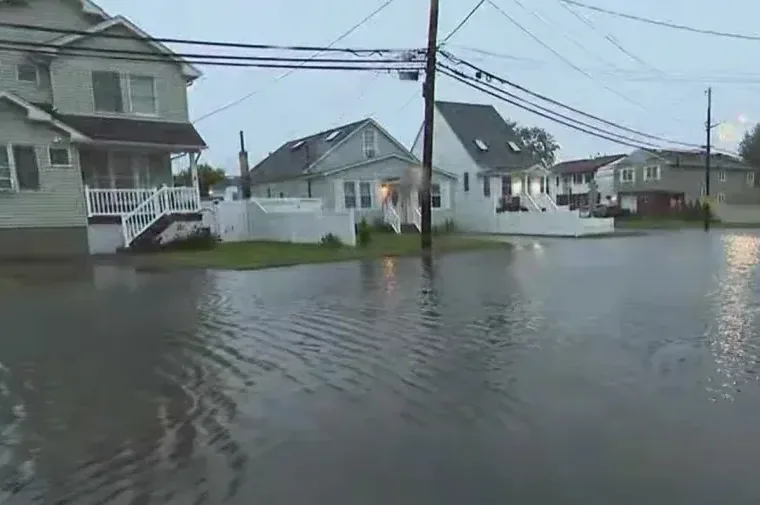
How hillside storm runoff and flood cleanup work is held to a standard
Dispatch around the clock
Active water is treated as urgent at any hour, weekends and holidays included, because every hour it sits it wicks higher into drywall and deeper into the slab.
Dried to IICRC S500
Air movers and LGR dehumidifiers are sized to the class of loss, and the equipment stays until wet materials read within 2 to 4 points of a dry reference.
A claim file built as it goes
Timestamped photos before any demolition, a moisture map, daily psychrometric logs and a line-item scope, organized the way an adjuster reads them.
Built for slab and stucco homes
Slab floors hide water under tile, stucco walls hold it in the bottom plate and upstairs baths drop it into the ceiling below. The meters go there first.
What to do right now about hillside storm runoff and flood cleanup
- Stay safe. Keep out of floodwater and away from electrical items until they are checked.
- Pump and clear. Standing water, mud and debris are removed from the structure.
- Remove and treat. Soaked porous materials come out and hard surfaces are treated.
- Dry the structure. Equipment runs until the framing and floors read dry.
What does hillside storm runoff and flood cleanup cost in Las Flores, CA?
Runoff in one room at a door usually costs $3,000 to $6,000, and the cost rises to $13,000 or more when the whole ground floor floods because more materials must be removed and treated.
One room at a door
- Water and mud removal
- Pad and baseboards out
- Surface treatment
Several rooms
- Drywall cut out
- Wider treatment
- Extended drying
Ground floor flooded
- Heavy material removal
- Structure cleaned
- Long drying
What the claim file holds
Ranges are typical, not a quote: the water category, square footage, material class and how fast drying started move the number most. The file holds a moisture map, daily psychrometric logs, timestamped photos taken before demolition and a line-item scope. Sudden and accidental water is treated differently from flood, so check your own policy. For a closer range, run the water damage cost calculator.
How hillside storm runoff and flood cleanup is handled, start to finish
Pump
Standing water and mud are removed.
Remove
Soaked materials are cut out.
Treat
Surfaces are cleaned and treated.
Dry
Equipment runs until the structure is dry.
Winter storm runoff is a regional risk across Southern California, and it brings mud, debris and bacteria into a home along with the water. Heavy rain can push runoff against doors and garages, and low entry points let it flow across floors. The extraction crew treats floodwater as contaminated before drying starts, which changes what must be removed and how surfaces are cleaned.
What changes when the water is runoff
Storm water is handled differently from a leaking pipe.
- Standing water, mud and debris are pumped and shoveled out first.
- Porous materials such as carpet, pad and low drywall that absorbed runoff are removed.
- Floors, framing and hard surfaces are cleaned and treated before drying.
- Air movers and dehumidifiers then dry the structure until readings are normal.
Electrical items near the water are kept off until they are checked.
Checking flood risk
FEMA Flood Insurance Rate Maps show Special Flood Hazard Areas, which have a 1 percent or greater annual chance of flooding, and a property can be checked through the FEMA Map Service Center. Knowing the zone helps with insurance questions after a storm.
Insurance and storm water
Many homeowner policies exclude flooding and cover only certain water losses, so the policy and any separate flood coverage should be reviewed. The crew documents the high-water mark, the removed materials and the readings. See water extraction, sewage backup cleanup or the main storm service.
Hillside storm runoff and flood cleanup across Las Flores and nearby communities
Storm runoff cleanup covers Las Flores homes and condos near Oso Parkway and Antonio Parkway, from Veranda and Avelino to Wyngate and Sundance, for addresses at ZIP code 92688.
The same service nearby: hillside storm runoff and flood cleanup in Ladera Ranch, Coto de Caza, Rancho Santa Margarita.
Water damage restoration in Las Flores › Every community covered ›Related water damage services in Las Flores
Hillside Storm Runoff and Flood Cleanup questions, answered
Still dealing with it?
Runoff inside the house? The response team treats it as contaminated from the start.
(888) 450-9281 Ask about flooded garagesWhy is storm water treated as contaminated?
Runoff carries soil, debris and bacteria from outside, so it is handled as contaminated and affected materials are removed before drying.
Can carpet be saved after a flood?
Rarely. Carpet and pad soaked by runoff are usually removed, because they absorb the contaminated water and cannot be cleaned reliably.
What does a Special Flood Hazard Area mean?
It is an area with a 1 percent or greater annual chance of flooding. A property can be looked up through the FEMA Map Service Center.
Is electrical safety a concern?
Yes. Outlets, appliances and cords near floodwater should be left off until they have been checked, and wet areas should be entered carefully.
Does a flood drying job take long?
Several days is typical, because floors, walls and framing hold a lot of water. Readings are rechecked until materials are dry.
Is flood damage covered by homeowner insurance?
Often it is not, since many policies exclude flooding. Separate flood coverage may apply, so the policy should be checked early.
Clear the runoff before it soaks in
Describe where the water entered and which rooms are wet, and the crew will explain the cleanup and drying.
(888) 450-9281Clear the runoff now