Structural Drying and Dehumidification in San Clemente, CA
After the standing water is gone, moisture stays in walls, floors and framing. The drying team places air movers and dehumidifiers, takes meter readings each visit and keeps equipment running until materials return to normal.
(888) 450-9281Dry the whole structure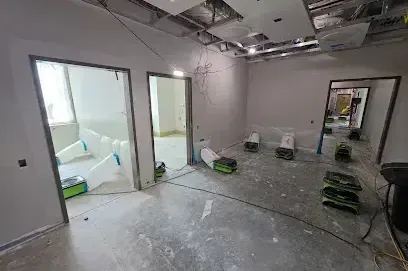
How structural drying and dehumidification work is held to a standard
Dispatch around the clock
Active water is treated as urgent at any hour, weekends and holidays included, because every hour it sits it wicks higher into drywall and deeper into the slab.
Dried to IICRC S500
Air movers and LGR dehumidifiers are sized to the class of loss, and the equipment stays until wet materials read within 2 to 4 points of a dry reference.
A claim file built as it goes
Timestamped photos before any demolition, a moisture map, daily psychrometric logs and a line-item scope, organized the way an adjuster reads them.
Built for slab and stucco homes
Slab floors hide water under tile, stucco walls hold it in the bottom plate and upstairs baths drop it into the ceiling below. The meters go there first.
What to do right now about structural drying and dehumidification
- Assess the structure. Meters and thermal imaging map the wet materials before equipment is chosen.
- Place equipment. Air movers and dehumidifiers go where the readings point.
- Monitor each visit. Readings are logged and equipment is moved or added as needed.
- Confirm dry. Final readings match dry reference spots in the same building.
What does structural drying and dehumidification cost in San Clemente, CA?
Drying one or two rooms usually costs $1,500 to $3,500. Several rooms run $3,500 to $7,000, and dense materials like thick framing or concrete can reach $7,000 to $10,000 or more.
One or two rooms
- Equipment setup
- Daily readings
- Final check
Several rooms
- More equipment
- Cavity drying
- Extended visits
Dense materials
- Long dry times
- Specialty drying
- Full monitoring
What the claim file holds
Ranges are typical, not a quote: the water category, square footage, material class and how fast drying started move the number most. The file holds a moisture map, daily psychrometric logs, timestamped photos taken before demolition and a line-item scope. Sudden and accidental water is treated differently from flood, so check your own policy. For a closer range, run the water damage cost calculator.
How structural drying and dehumidification is handled, start to finish
Assess
Meters map the wet materials.
Place
Set the equipment by the readings.
Monitor
Log readings at each visit.
Confirm
Match dry reference values.
After extraction, walls and floors in local homes are dried with general structural drying methods. The goal is simple: move moisture out of building materials and out of the air before it causes swelling, odor or decay. The method depends on the materials, the humidity and how far the water traveled.
Equipment and airflow
Each tool has a job.
- Air movers push dry air across wet surfaces to lift moisture off them.
- Dehumidifiers pull that moisture out of the air so it cannot settle elsewhere.
- Wall cavity drying systems push warm air through openings in the drywall.
- Meters and thermal imaging show where water remains hidden.
Equipment placement changes as the readings change, and a typical room needs several machines working together.
Monitoring until dry
The team records temperature, humidity and moisture readings each visit and compares them with dry reference points in the same building. Equipment moves or leaves only when the data says so. Rushing the end of drying risks leaving moisture in framing, which can lead to odors and mold. Daily visits keep the plan honest, because conditions inside a building shift as materials release moisture.
Documentation and related work
Logs and photos form the evidence for the claim file. Structural drying follows water extraction and supports services such as slab leak damage. The San Clemente hub lists all local service pages.
Structural drying and dehumidification across San Clemente and nearby communities
Structural drying covers San Clemente homes of every era, from Lasuen houses to Southwest Riviera residences, along with the businesses that need dry floors before reopening after leaks and storms.
The same service nearby: structural drying and dehumidification in Ladera Ranch, Las Flores, Coto de Caza.
Water damage restoration in San Clemente › Every community covered ›Related water damage services in San Clemente
Structural Drying and Dehumidification questions, answered
Still dealing with it?
Wet walls or floors that will not dry? A drying pro can explain the equipment plan.
(888) 450-9281 Ask about equipment plansHow long does structural drying take?
It depends on the materials, humidity and how deep the water went. Many jobs take several days, and the team follows readings rather than a fixed schedule.
Why is the equipment so loud?
Air movers and dehumidifiers move large volumes of air to lift moisture. The noise is temporary and tells the crew the drying is working.
Can walls dry without being opened?
Sometimes. Small holes or removed baseboards let air reach the cavity, but saturated insulation or drywall often has to come out.
Why do the readings matter?
Surfaces can feel dry while framing is still wet. Meters confirm when materials match dry reference points, which protects against odor and mold.
Is drying covered by insurance?
Drying after a sudden covered loss is commonly included. The logs and photos support the claim, and the adjuster makes the final call.
Does the weather outside matter?
Yes. Dry outdoor air helps, while humid or rainy weather slows drying, so dehumidifiers do more of the work in those conditions.
Dry the structure all the way
The drying team places air movers and dehumidifiers, logs readings each visit and keeps working until materials in San Clemente homes and businesses match dry reference points.
(888) 450-9281Begin the equipment setup